




‘Black Dahlia’: A Cold Case Heats Up
Author William Mann Sees Victim in New Light
By Frank Rizzo
Biographer William Mann has a unique way of looking at his subjects—some famous, some infamous—through a more sensitive, sympathetic, and sometimes LGBTQ+ lens.
Mann is a New York Times best-selling author who has written about Hollywood’s most glamorous stars, including Katharine Hepburn, Barbra Streisand, Marlon Brando, Elizabeth Taylor, Humphrey Bogart, and Lauren Bacall.
But he has also examined the city’s dark side. In his popular 2014 book, Tinseltown: Murder, Morphine, and Madness at the Dawn of Hollywood, Mann chronicled the unsolved murder of film director William Desmond Taylor.
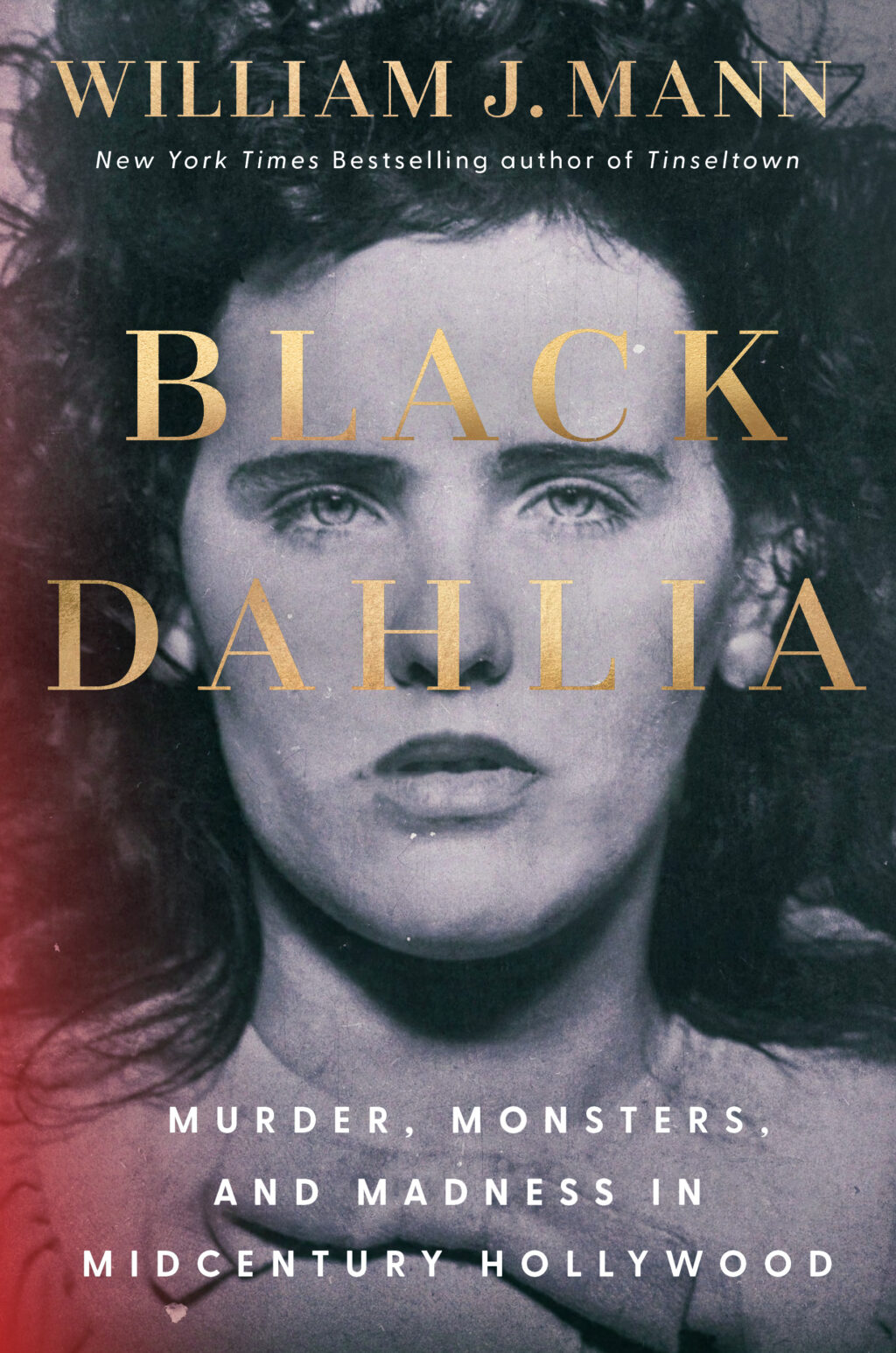
Now in Black Dahlia: Murder, Monsters, and Madness in Midcentury Hollywood, Mann takes on another notorious cold case—the horrific murder in 1947 of 22-year-old Elizabeth Short. The book will be available in December.
The L.A. murder gained national attention because of the gruesome nature of the crime, which included the mutilation and bisection of Short’s corpse. Over the years, the victim has been mischaracterized as a wayward sex worker, a gangster’s gal, or as a deluded wannabe star. Even the media-invented name of the murder—“Black Dahlia”—evoked a femme fatale luridness that reflected the film noir of its day.
But Mann’s book presents Short as a more complex and luminous character, one brought together from various perspectives from people from her life and the years-long investigation that followed—and that later went off the rails—bringing her vividly to life, and showing “the real human being behind the myth.”
In his book, Mann also explores “the male gaze” of the times, one that saw a pretty, single, independent, fun-loving woman with suspicion and a raised eyebrow. But as bits and pieces unfold in Mann’s engrossing narrative, Short emerges as a more complicated woman—one who survives by leveraging her wits, charm, and personality. If anyone, said Mann, Short reminded him of someone more like “a Tom Sawyer in ankle-strap shoes.”
“I really wanted to get inside her character,” Mann said during an interview in Provincetown, where the Middletown native now lives. “I also wanted sympathy for her, right from the start. I wanted people to like her—and she was very likable from all accounts. Everybody thought she was amazing.”


Context of the Times
Mann also explores what the crime and its aftermath reveal about midcentury America “and why it’s still relevant today.” The book places Short’s life in the context of the role of women in society, the rise of sexual nonconformity, and the undercurrents of homophobia—a lesbian angle was salaciously pursued by the press, he said.
“The homophobia—as well as attitudes towards sex—was so prevalent in the way the investigation went forward,” said Mann. “Elizabeth was either seen as a wanton woman who was out there trying to seduce men, or she was involved with predatory lesbians. Nobody could look at the fact that some man, some psychopathic man from his own twisted mind, committed this crime—and that it had nothing to do with Elizabeth.”
Previous books and shows about the Short murder were always about advancing a solution to the whodunit and only presented the facts and perspectives that supported that theory, he said.
While Mann’s research and writings do not lead to an “aha” moment where he suddenly reveals the murderer, he nonetheless clears many suspects typically named and comes up with some credible conclusions, based on a much fuller picture of Short’s life, the times she lived, and more than 50 pages of footnotes in his book, based on five years of extensive research.
A reader could easily see in the way Mann has structured “Black Dahlia” into its gradually intensifying sections that one could imagine the book becoming the basis of yet another Netflix cold case documentary or dramatic series.
Tinseltown is now being made into a major documentary, reports Mann, “so, I could see something similar here,” he said. Another of his books, 1998’s Wisecracker: The Life and Times of William Haines, Hollywood’s first “out” star, has been optioned for film for years, but Mann feels the current political climate is not right for that project.
Memoir Next?
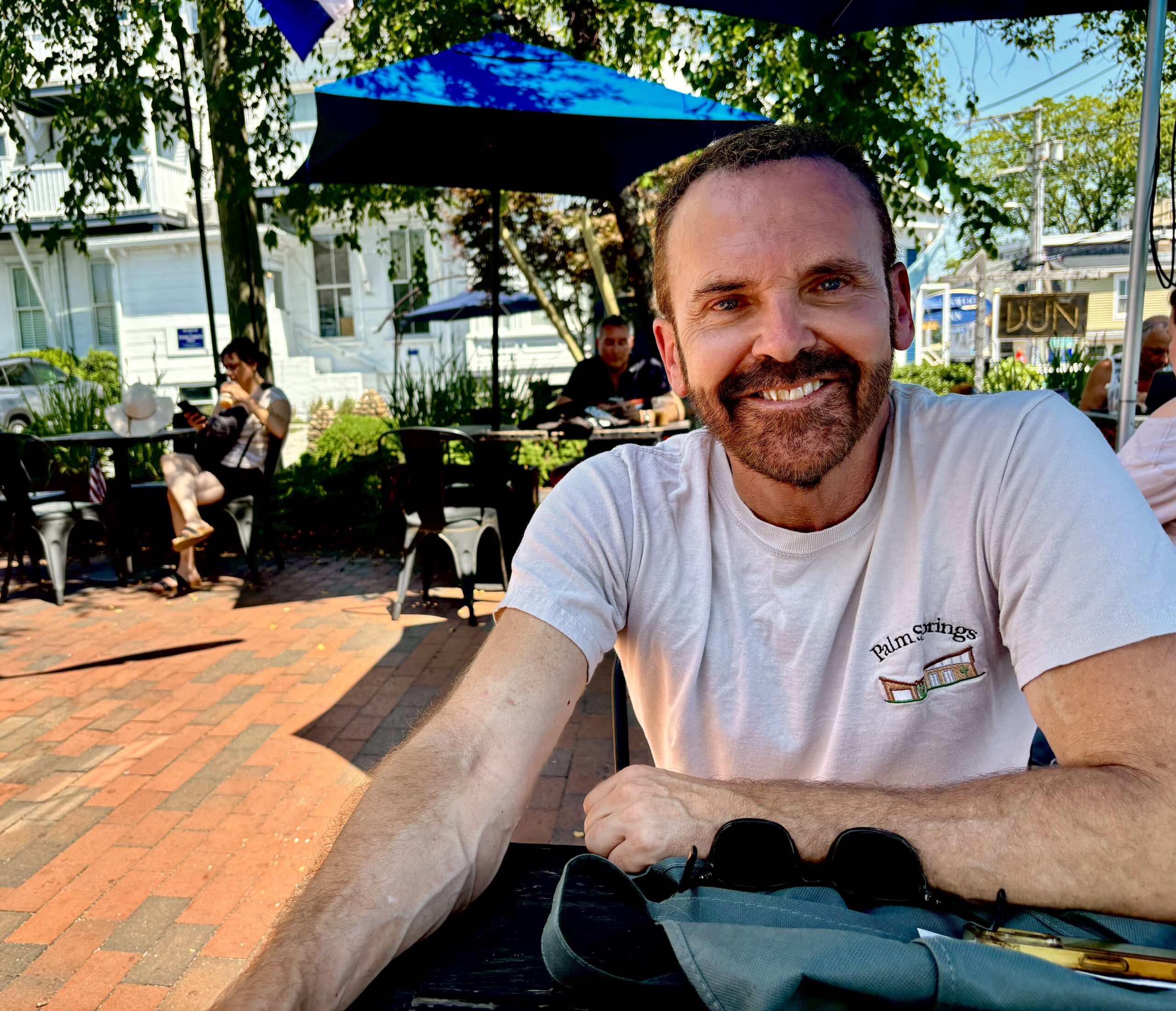
After many biographies and a half dozen novels—as well as a fantasy series under the pen name of Geoffrey Huntington, Mann said he is not sure what his next book will be, but he said it just might be about himself, adding that he’s been working on a memoir.
It would no doubt make for a compelling read and a personal reflection of the changing times, including his work as a gay activist, journalist, and author from the ’80s to the present. Mann has taught at New Britain’s Central Connecticut State University, where he received his undergrad degree in 1984 and where he established its extensive LGBTQ+ archive.
Mann received his master’s degree in 1988 from Wesleyan University in Middletown and in the early ’90s, was a co-editor and co-publisher at Hartford’s first LGBTQ+ newspaper, Metroline. He also co-founded the first gay film festival in the state in 1987, Out Film CT. He met his husband, psychologist Timothy Huber, in 1988, and they have been married for the past 23 years.
In all of his books, Mann says, “My aim is to really get inside the person.” Perhaps his next sensitive, sympathetic and LGBTQ+ lens will be on himself.
More Stories
The Regina A. Quick Center for the Arts At the Intersection of Creativity and Community
Mental Health Isn’t Seasonal, But Stress Can Be
SEX TALK: Kinky and Queer